
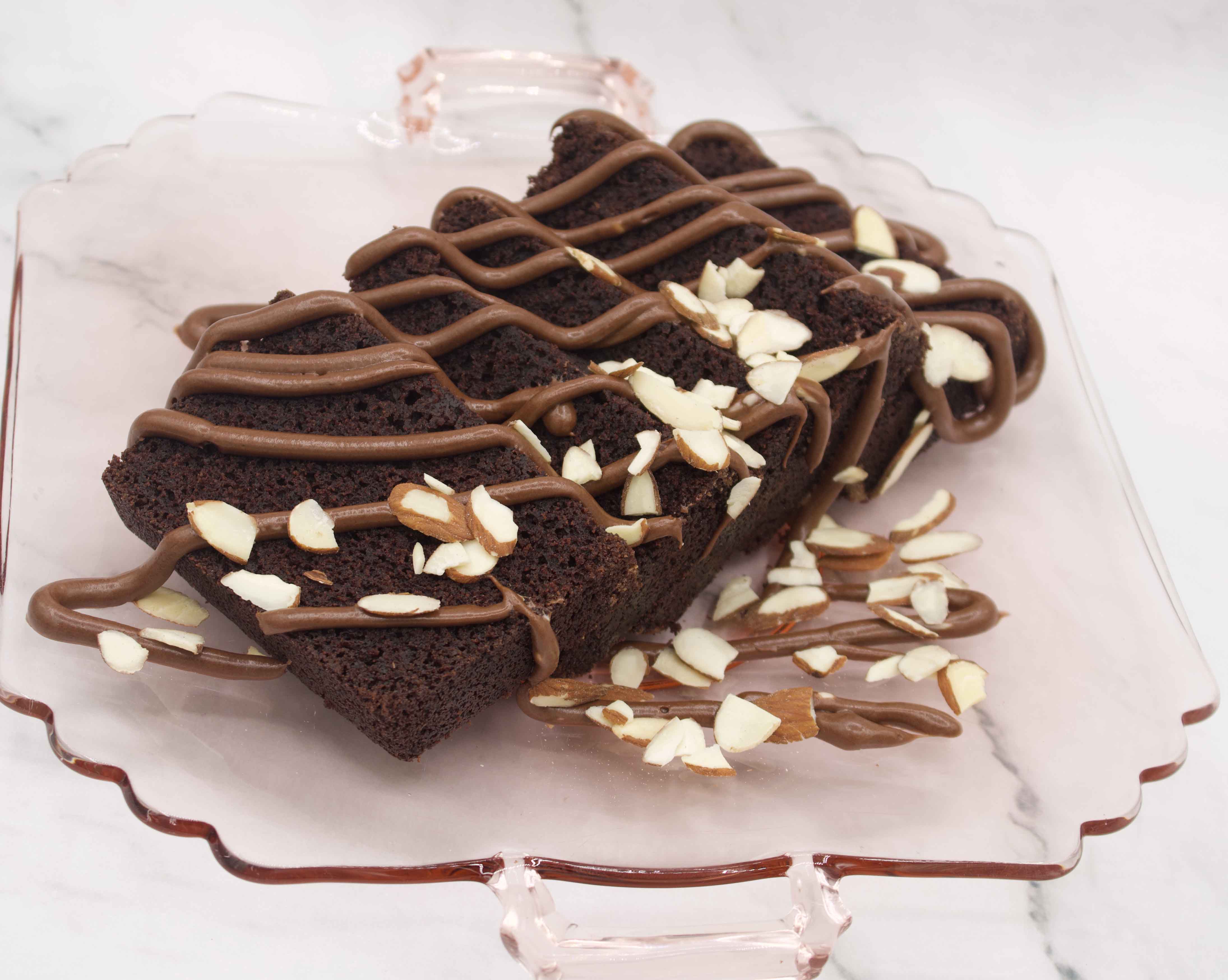
I take for granted how easy it is to bake a cake.
I know there are lots of folks who would argue with that statement.
But really, cream some butter and sugar, add in some eggs, sift together some flour and baking powder, add in some vanilla extract, mix it all up, put it in a pan, and bake at 350 degrees until a cake tester inserted in the middle comes out clean.
How hard is that?
VERY. If you don’t have the magic ingredient.
If you don’t have the magic ingredient, you will have to:
Catch some spores out of the air, feed them, and hope they grow.
OR
Beat some eggs. LOTS of them. (Hope you have a big stand mixer.)
OR
Build a fire and extract lye from the ashes.
So, what is the magic ingredient that makes this happen? It’s a teaspoon or two of a white powder that comes out of a can.
Baking Powder.
Baking powder, that one “simple” ingredient, totally changed the way we bake. Without it, the chemical reaction that causes your baked goods to rise up light and fluffy would not happen.
You can bake a cake without flour.
You can bake a cake without butter, milk, or eggs. Don’t believe me? Here’s a link to a recipe for an eggless, butterless, milkless cake that is just divine:
You can replace the sugar with maple syrup, honey, or agave nectar.
But without some type of leavening agent, your baked good would turn out, well, flat as a pancake.
What is a leavening agent?
In baking, leaven means to make the dough lighter by adding air. This is done physically or mechanically by adding air (whipping egg whites, creaming butter and sugar), biologically by the production of carbon dioxide (a byproduct of yeast activity), or chemically, through the reaction of an acid and an alkali, which releases carbon dioxide.
Baking soda was an early leavening agent and remains in use today. But since it’s an alkali, you have to add some type of acid to cause the reaction.
Baking powder, on the other hand, contains both an acid and an alkali, mixed with a buffer (typically cornstarch).
These three ingredients, when combined together and put into a can (Royal Baking Powder in 1866 is thought to be the first brand actually put in a can) caused a revolution in baking so drastic that The Federal Trade Commission, The Pure Food and Drug Act, The American Baking Powder Association, and the Missouri State Legislature were all involved in the manufacture and advertising of this now considered ordinary product. More on this later.
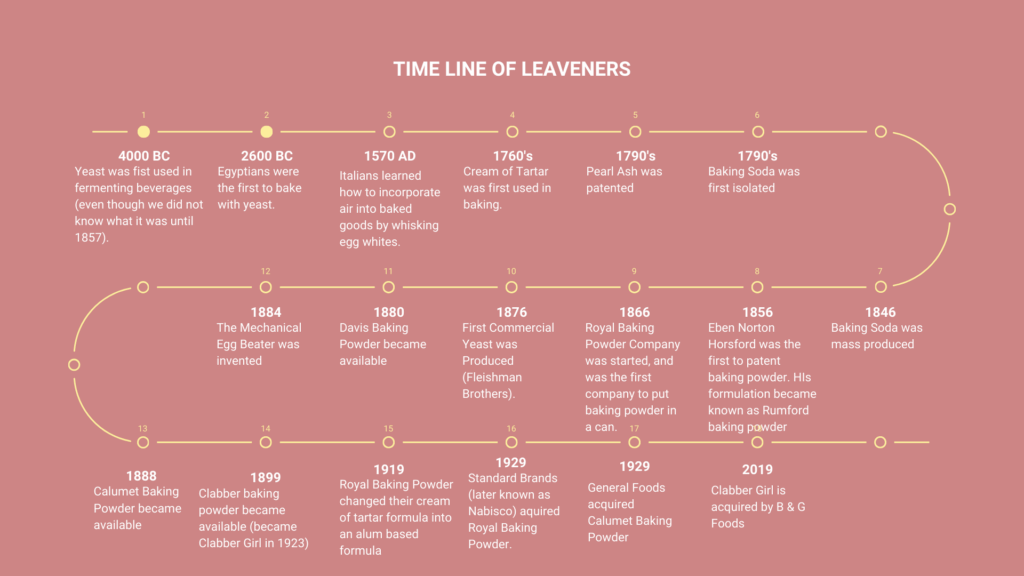
Baking powder was invented in the 1840s by a British chemist, Alfred Bird. Then, in 1856, American chemist Eben Horsford refined the process and patented it, which later became Rumford Baking Powder.
Before that, bakers could get the rise in their cakes (or other baked goods) in one of three ways:
YEAST
BEATING AIR
Using the ashes from the fireplace. (Pearlash).
YEAST
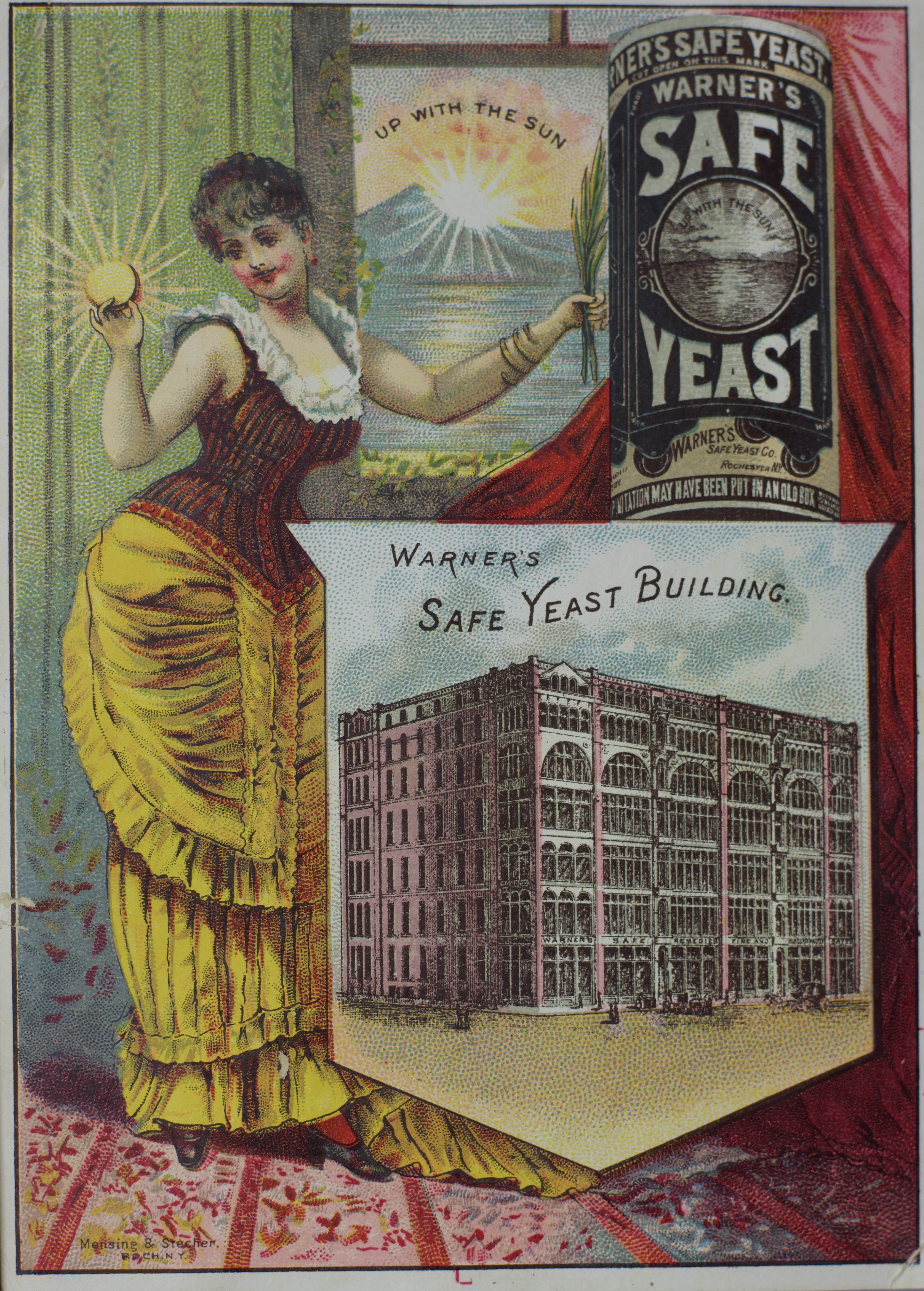
Yeast has been around for over 6000 years. Early results varied because the yeast was made at home by early bakers. In fact, no one even knew what yeast actually was until 1857, when Louis Pasteur’s research showed that it was a microorganism. Catherine Beecher’s Domestic Receipt Book from 1858 has two pages of recipes for making yeast. A common method was to use “emptins”, which is the yeast sediment left over from brewing ale. It was not until 1868 that the Fleishmann Brothers made a compressed yeast cake available commercially.
BEATING AIR
Around 1570, Italians found that adding beaten eggs to baked goods caused them to rise. This was a laborious process, as the eggs had to be mixed by hand, which could take hours.
According to Linda Civitello, Eliza Leslie, author of the 1846 Lady’s Receipt Book, advised having egg beating done “by a male servant.” (The egg beating process got much easier in 1844, when the mechanical eggbeater was invented, and even easier by 1908 when the electric mixer was invented).
Sponge cakes traditionally use only beaten eggs (yolk and whites) as the leavener, although modern recipes may also include baking powder. Angel food cake uses only whipped egg whites for the leavener. The familiar tube pan used for baking angel food cake also helps it rise. The sides are not greased, unlike most other cakes, and the design of the tube pan allows the batter to “grab the walls” of the pan as it bakes, helping it rise.
It is not uncommon for vintage recipes to include 20 or more beaten eggs to get the desired lift when no other leavener is used (a consideration for vintage baking vs modern baking is that the eggs were probably not as large as what we have available today).
INTRODUCTION OF CHEMICALS
At some point in baking history, probably in the mid-1700s, bakers realized that combining an acid and an alkali caused a chemical reaction that produced “air” (carbon dioxide, or CO2).
I could not find any direct information on how this combination made its way into a cake, but it is evident that bakers knew that incorporating air into baked goods gave them the “rise.” And it was most likely American bakers who made this discovery, as the first mention of chemical leaveners in a published cookbook was in the first American cookbook, published in 1796.
Pearl Ash
Pearl Ash first showed up in Amelia Simmons’ American Cookery in 1796. Pearl Ash is obtained by soaking ashes in water, making a lye solution. The lye solution is then boiled down, leaving a residue known as potash. Potash is then heated in a kiln to purify it further, resulting in pearlash.
One of the first three patents ever issued by the US Patent Office was for pearlash (1790).
Pearlash could be used to make three things: soap, gunpowder, or chemical leaveners.
Who came up with the idea of literally putting lye in a cake to make it rise?
Lye is actually used to process foods such as pretzels, ramin, and hominy, so it wasn’t a giant leap to add it to baked goods. It still required an acid to initiate the chemical reaction, and citrus products or sour milk were commonly used to achieve these results. However, pearlash tended to taste bitter, so cakes had to be highly spiced to mask the flavor. (Think gingerbread).
Cream of Tartar
Another early leavening agent was cream of tartar (tartaric acid), a byproduct of winemaking. Cream of tartar was likely first isolated in its purified form in 1768 by Swedish chemist Carl Wilhelm Scheele. Also known as potassium hydrogen tartrate, cream of tartar is an acid that requires the addition of an alkali or base to produce a chemical reaction that releases CO2. In 1866, two druggists teamed up to make a cream of tartar-based baking soda in their drug store. This partnership ultimately led to the creation of Royal Baking Powder.
Baking Soda
Baking Soda can be traced all the way back to the ancient Egyptians. They used a mineral called natron, which contained baking soda, for cleaning, mummification, and even dental hygiene. In the 18th Century, chemists identified sodium bicarbonate’s ability to produce carbon dioxide.
In 1846, Austin Church and John Dwight began mass-producing baking soda, making a significant step in its commercial availability. Church and Dwight eventually became known as Arm and Hammer. Vintage recipes often refer to baking soda simply as “soda.”
Baking soda, an alkali, will require some type of acid to cause the desired reaction that forms carbon dioxide. Sour milk, citrus products, pearl ash, and cream of tartar are some of the acid components used by early American bakers.
Baking Powder
Alfred Bird, an English chemist, was the first to produce a commercial baking powder. In 1840, he created a mixture of baking soda and cream of tartar to make a yeast-free bread for his wife, who was allergic to yeast.
In 1856, American chemist Eben Horsford patented a monocalcium phosphate and baking soda formulation, which eventually became known as Rumford baking powder. Cream of tartar, a byproduct of winemaking, had to be imported from Europe and was more expensive than monocalcium phosphate, which was first derived from burned bones.
Alum
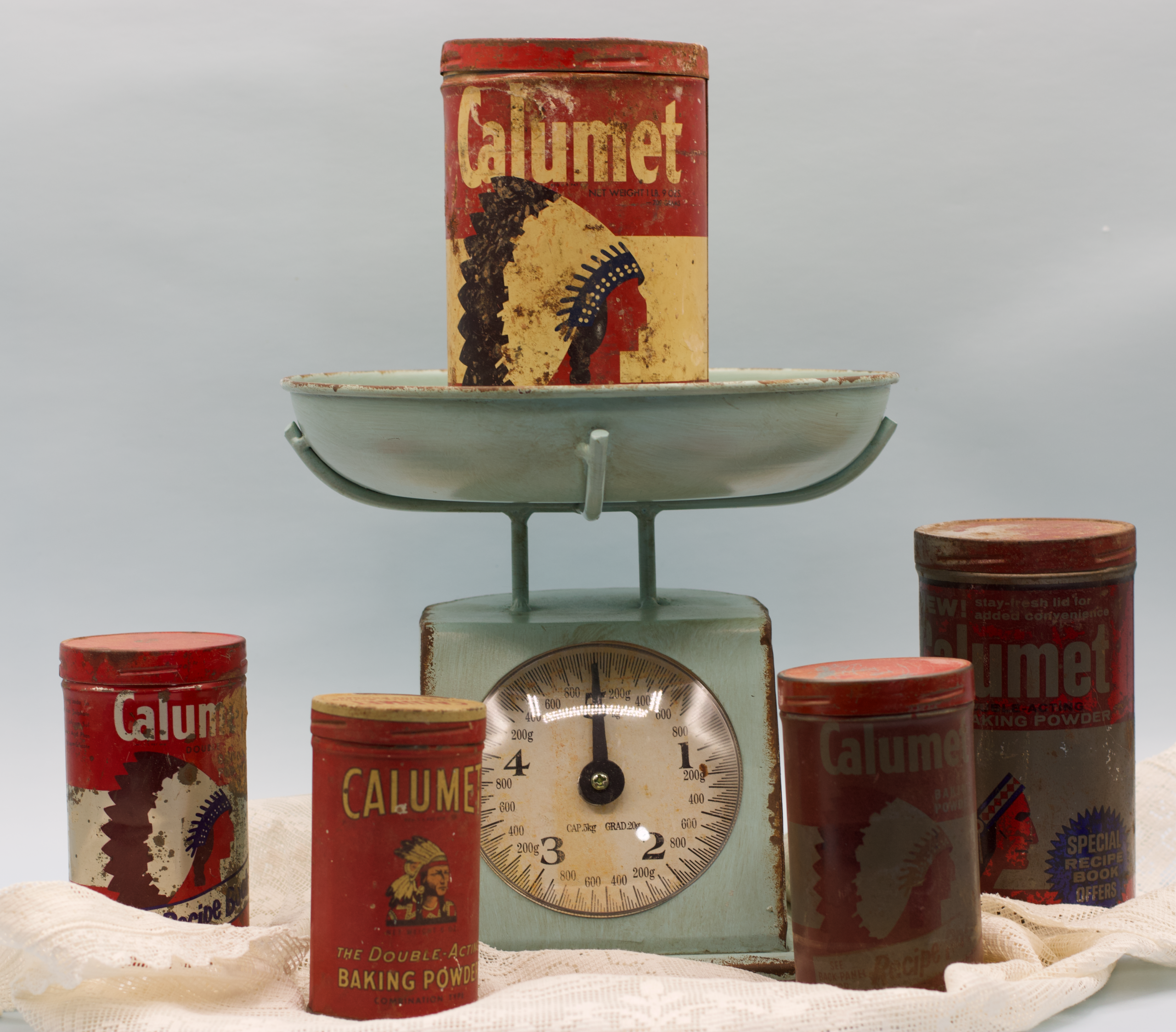
A cheaper alternative to cream of tartar became available: aluminum phosphate (alum).
Aluminum phosphate and egg whites formed the basis of the Calumet Baking Powder formula in 1889. This formulation was created by a former Royal Baking Powder salesman, William Monroe Wright.
Initially, many women were skeptical about adding commercial chemicals to their food and still preferred to make their own baking powder. However, commercial baking powder eventually became a lucrative business, with fierce competition (and a lot of advertising, some of which was truthful, while some was not) among manufacturers.
Early Advertising: Corporate Cookbooks and Trading Cards
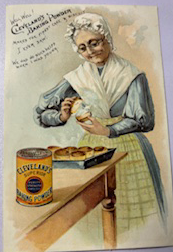
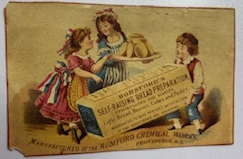
In the late 19th century, manufacturers produced colorful chromolithograph cards to promote their products. These were distributed free of charge by the US Postal Service, merchants, door-to-door salesmen, or even youngsters stationed on busy street corners.
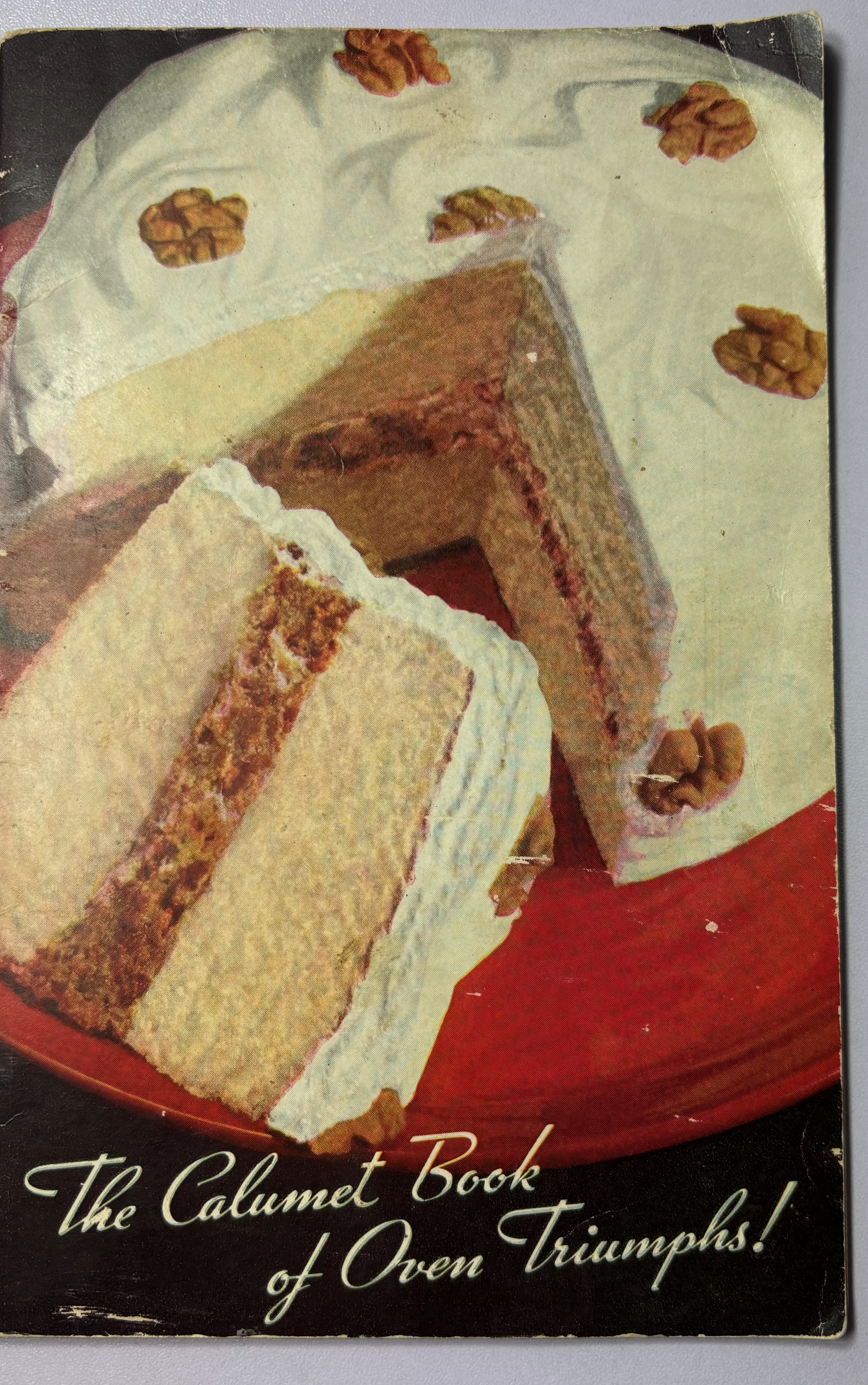
Another advertising tactic that became popular during this time was the corporate cookbook. The baking powder companies were prolific in these publications. Royal Baking Powder published its “Royal Baker and Pastry Cook” book in 1902, along with numerous others. Calumet published “The Master Cake Baker” in 1927. Rumford published the “Rumford Common Sense Cook Book” in the 1930s. Each of these books had sections dedicated to why that particular baking powder was superior.
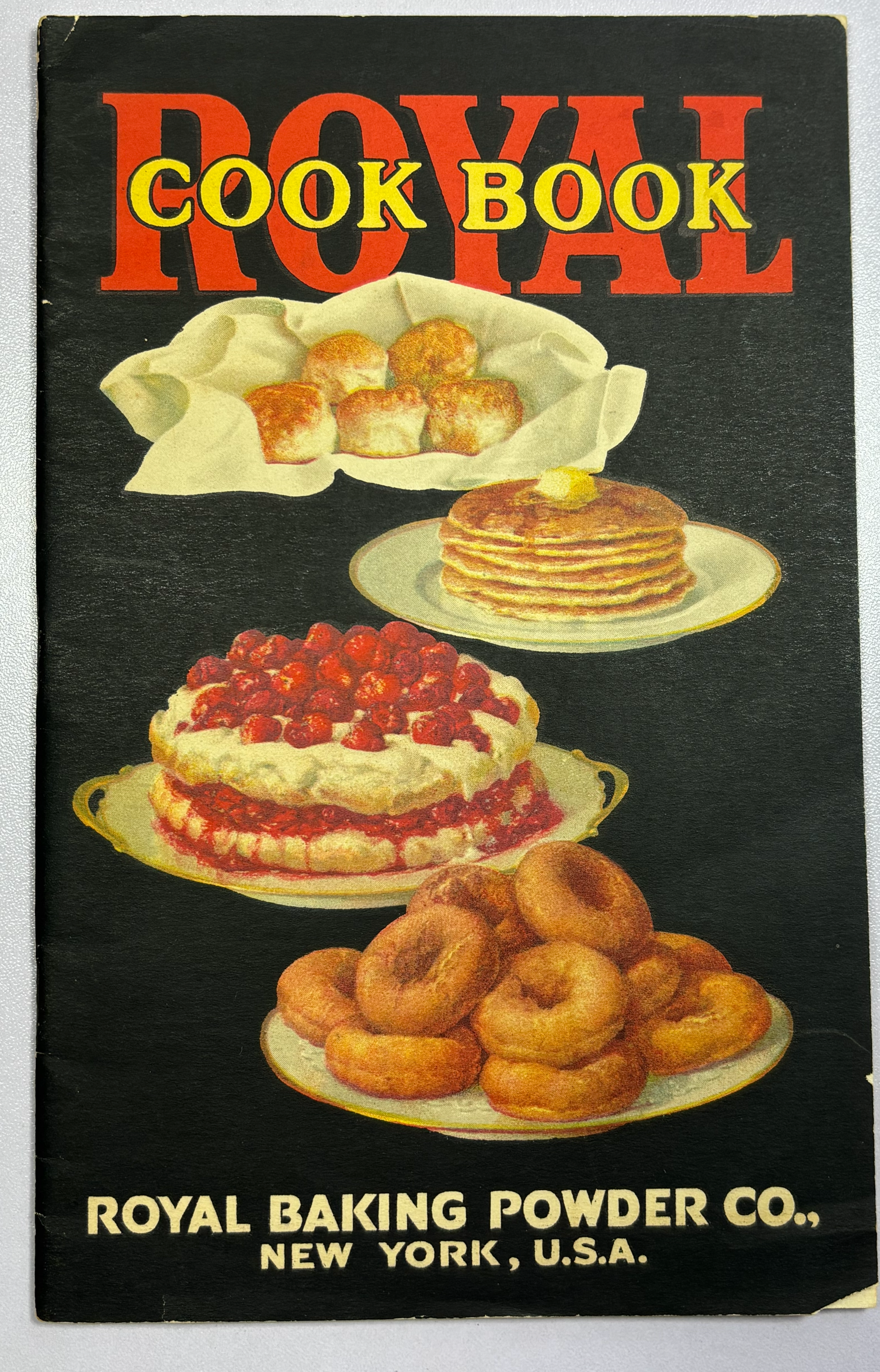
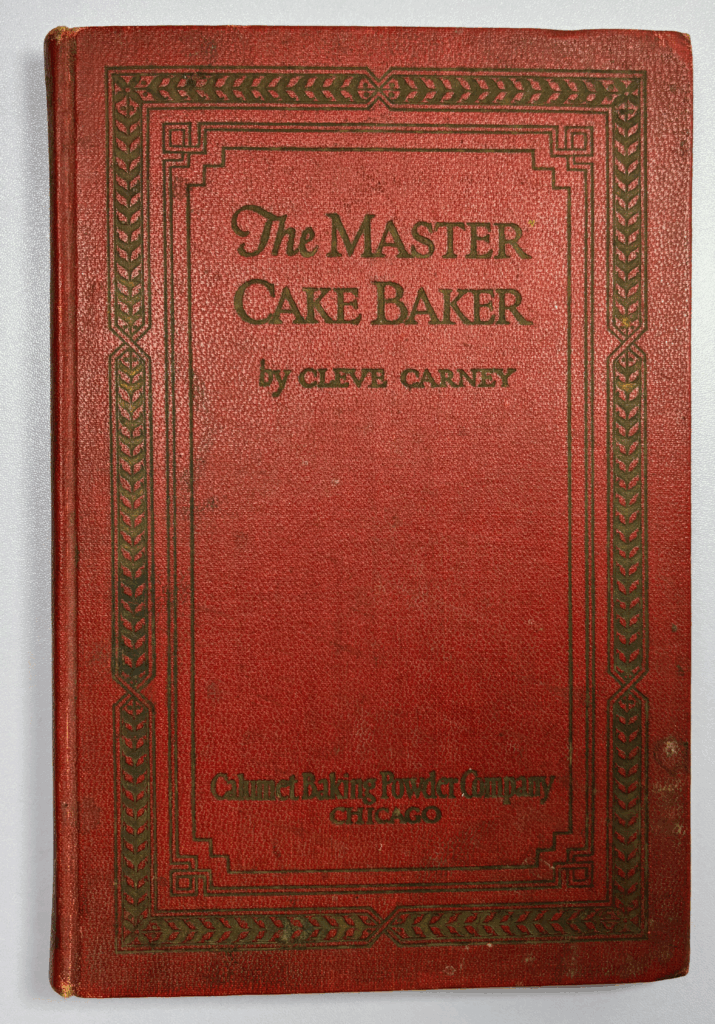

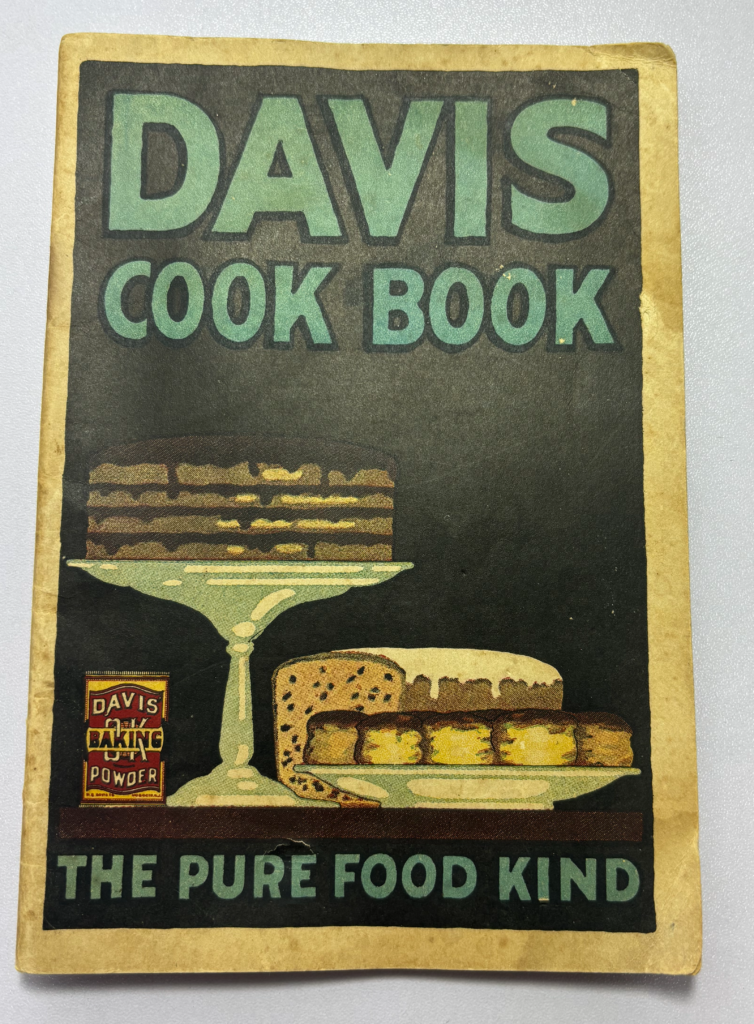
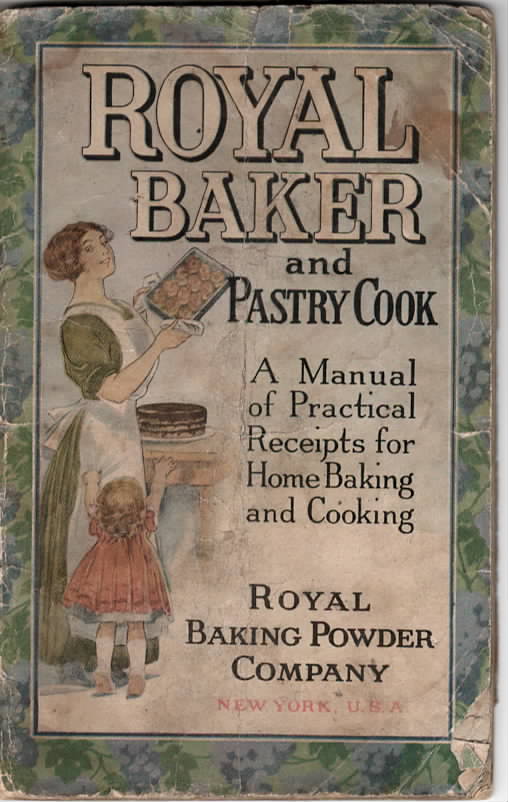
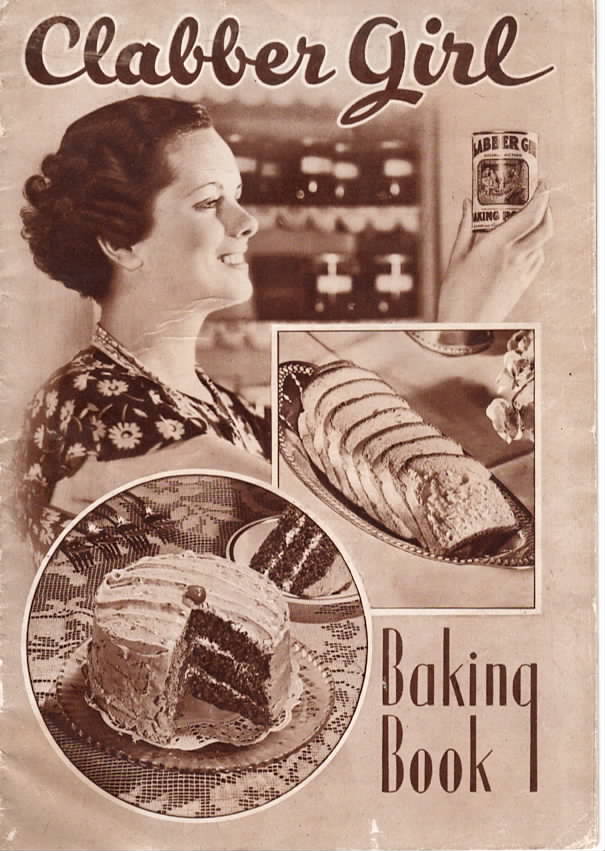
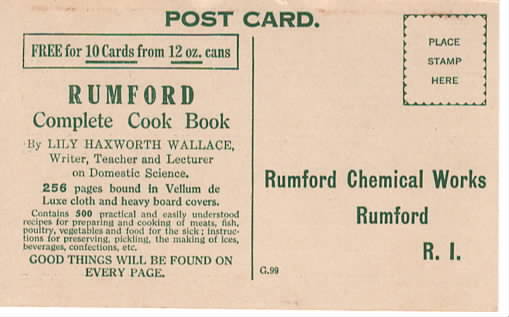
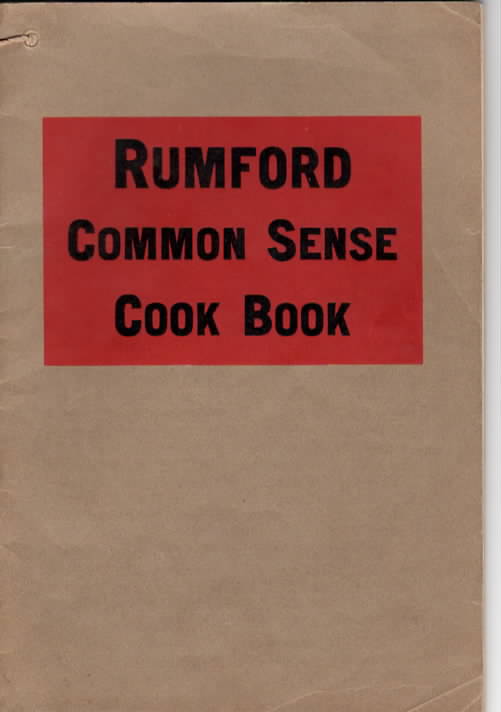
Now let the shenanigans begin…..
There is a book titled “Baking Powder Wars: The Cutthroat Food Fight That Revolutionized Cooking” by Linda Civitello, which outlines the incredible lengths baking powder manufacturers went to ensure that their product was the most profitable.
First, there was the battle among the cream of tartar manufacturers (Royal vs Dr. Price vs Cleveland Baking Powder). Next, it became a battle between the cream of tartar companies and the phosphate companies (Royal vs. Rumford). Then, the cheaper alum formulations became available (Calumet, Clabber Girl).
Royal tried to make the sale of alum illegal, eventually convincing the Missouri State Legislature to pass a law banning the use of alum in 1899. As a result of the anti-alum law, the American Baking Powder Association was also formed in 1899 by a group of alum-based manufacturers to promote alum-based baking powders as safe and effective. Missouri was the only state that passed anti-alum laws, which were eventually repealed in 1905.
Calumet Baking Powder was none too happy to learn in 1907 that four of its top salesmen were actually spies for Royal.
Royal advertised that their baking powder was more wholesome, as it was a by-product of grapes, even going so far as to state in 1920 that “Alum is used for Kitchen Utensils.” This claim got the Federal Trade Commission involved. The FTC, which regulates truth-in-advertising laws, had been in existence for all of 5 years when Calumet filed a protest regarding Royal’s claim. Ironically, Royal had changed their cream of tartar formula to an alum-based formula in 1919.
Davis Baking Powder had this to say: “The one feature which has led up to the exalted ideas regarding Cream of Tartar is the alluring sound of its commercial name—Cream…It is like connecting the word Faith with the name Satan.” (Davis Cook Book, 1904).
In 1927, Calumet was still arguing that “Tartrates injure the kidneys.”
Civitello’s book is a great read and shows why we have (need!) the Federal Trade Commission’s truth in advertising laws, among other agencies and regulations that keep our food manufacturers honest. After reading her book, you’ll never look at a can of baking powder the same way again.
Baking Powder in the 21st Century
Over the years, the baking powder wars gradually fizzled out, with most of the baking powder companies merging with big conglomerate companies such as Nabisco, General Mills, and B & G Foods. Instead of individual products, the big conglomerates have multiple products to increase their market share (B & G Foods, for example, owns Clabber Girl, Cream of Wheat, Crisco, and Green Giant, among many other well-known products).
According to hz-focus.com, the top 5 brands of baking powder in the United States in 2024 were:
- Clabber Girl
- Calumet
3. Rumford
4. Davis
5. Bob’s Red Mill
I wanted to include some information on current advertising for baking powder. Unable to find anything specific, I did a ChatGPT inquiry. This is the response:
“I wasn’t able to find any 2025 baking powder advertisements directly—but here’s what I uncovered:
There don’t appear to be any widely publicized baking powder TV commercials or ad campaigns from 2025.”
ChatGPT went on to suggest that I check the specific brand’s social media…we’ve come a long way, baby!
To sum it all up
There was a time when I thought that making a cake “from scratch” was a lot of work. You have to measure and sift the flour, cream the butter and sugar, prepare the pans, and preheat the oven. (Then you have to put all those dirty dishes in the dishwasher.) But as I read and restored more and more vintage cake recipes, I realized we have it pretty easy.
How would you like to bake this cake?
Loaf Cake No. 1 By Amelia Simmons, 1796
“Rub 6 pound of sugar, 2 pound of lard, 3 pound of butter into 12 pound of flour, add 18 eggs, 1 quart of milk, 2 ounces of cinnamon, 2 small nutmegs, a tea cup of coriander feed, each pounded fine and sifted, add one pint of brandy, half a pint of wine, 6 pound of stoned raisins, 1 pint of emptins, first having dried your flour in the oven, dry and roll the sugar fine, rub your shortening and sugar half an hour, it will render the cake whiter and lighter, heat the oven with dry wood, for 1 and a half hours, if large pans to be used, it will then require 2 hours baking, and in proportion for smaller loaves. To frost it. Whip 6 whites, during the baking, add 3 pound of sifted loaf sugar and put on thick, as it comes hot from the oven. Some return the frosted loaf into the oven, it injures and yellows it, if the frosting be put on immediately it does best without being returned to the oven.”
(She left out the part about chopping the wood for the stove, hauling it into the house, obtaining the emptins, and removing the stones (seeds) from the raisins. Not to mention carrying the water in from the well.)
If this is too much work, you can always whip out a box of cake mix. The baking powder is already in there; all you have to do is add eggs, water, and oil. Or you could pick up a cake from the bakery. But what would be the fun in that? (Stay tuned. Amelia’s Loaf Cake is the next recipe I plan to restore).
And here’s the link to the restored cake:
https://sentimentalsweetsbyval.com/wp-admin/post.php?post=1767&action=edit
Happy Baking!
References:
Beecher, Catharine Esther. Miss Beecher’s Domestic Receipt-Book. 1850.
Brown, Martha. Of Pearl Ash, Emptins and Tree Sweetnin. 1981, www.americanheritage.com/pearl-ash-emptins-and-tree-sweetnin.
Civitello, Linda. Baking Powder Wars : The Cutthroat Food Fight That Revolutionized Cooking. Urbana, University of Illinois Press, 2018.
Clayman, Andrew. “Calumet Baking Powder Company, Est. 1889 – Made-In-Chicago Museum.” Made-In-Chicago Museum, 7 June 2018, www.madeinchicagomuseum.com/single-post/calumet-baking-powder. Accessed 2 Sept. 2025.
Panko, Ben. “The Great Uprising: How a Powder Revolutionized Baking.” Smithsonian, Smithsonian.com, 20 June 2017, www.smithsonianmag.com/science-nature/great-uprising-how-powder-revolutionized-baking-180963772/.
Reader, The MIT Press. “A Colorful History of Baking Powder (and Its Unlikely Inventor).” The MIT Press Reader, 14 Dec. 2022, thereader.mitpress.mit.edu/colorful-history-of-baking-powder-and-its-unlikely-inventor/.
Simmons, Amelia, and Mary Tolford Wilson. The First American Cookbook : A Facsimile of “American Cookery,” 1796. New York, Ny, Dover Publications, 1984.